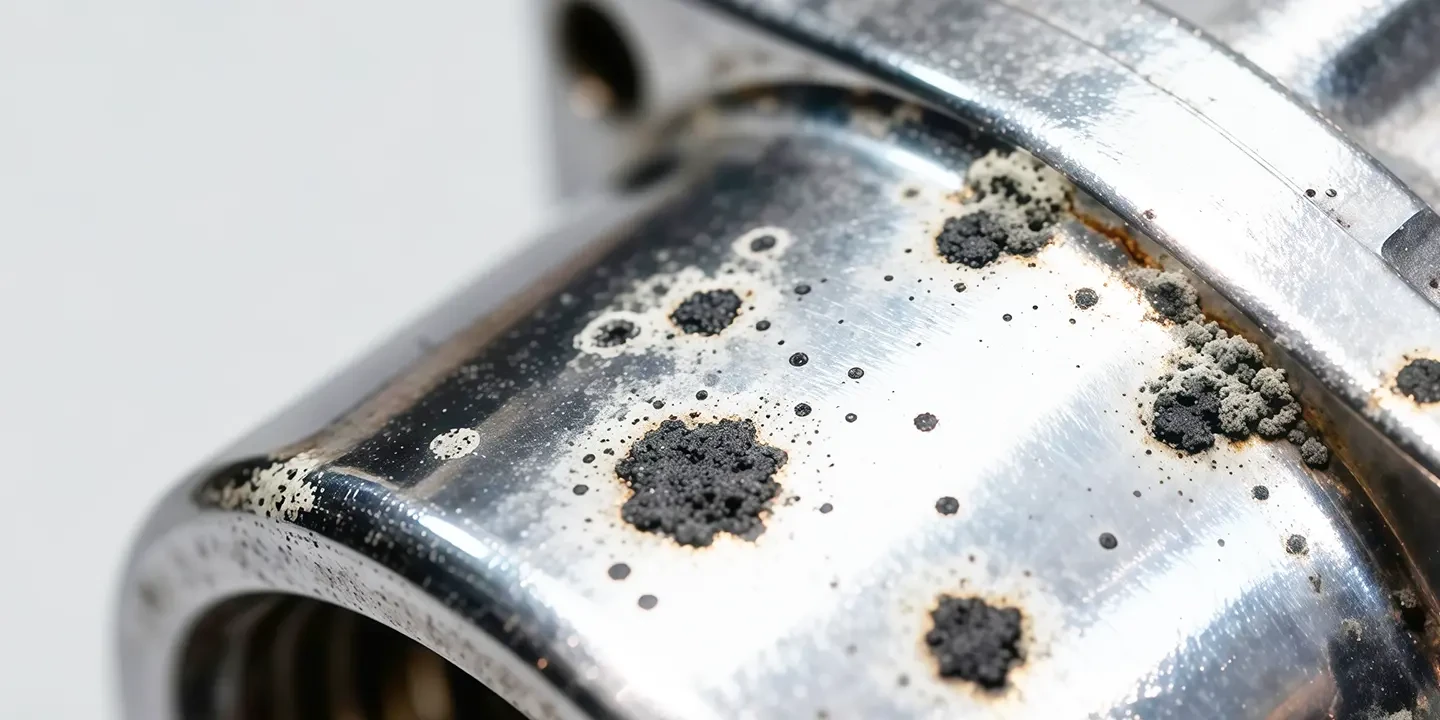
Small white spots that are difficult to wipe off often appear on electroplated parts, compromising their appearance and even leading to rejection. This common issue is known as mold spots on electroplated parts.
Through extensive research and analysis, we have identified two primary causes of mold spots on electroplated parts: irregularities during the electroplating process (production stage) and improper handling during transportation and storage (logistics and storage stage).
(I) Causes and Solutions During the Production Stage
Mold spots can form when electroplated parts are contaminated with mold-causing microorganisms during production. The electroplating process involves multiple steps: racking → degreasing → rinsing → hydrophilic treatment → coarsening → rinsing → neutralizing → rinsing → pre-dipping → catalyzing → rinsing → stripping → rinsing → electroless nickel plating → rinsing → acid activation → flash copper plating → rinsing → acid activation → acid copper plating → rinsing → acid activation → rinsing → multi-layer nickel plating → rinsing → acid activation → bright chrome plating → rinsing → drying → unracking → inspection → packaging → warehousing.
Throughout this process, raw materials, water, personnel, dust, and other factors can introduce mold spores into the electroplating workshop. These spores can develop into mold under suitable conditions, such as adequate moisture (humidity) and PH, even without external nutrients. Critical points for mold contamination include electroless nickel plating tanks, rinsing tanks after electroless nickel plating, bright chrome plating rinsing tanks, inadequately dried products, gloves used by inspection and packaging workers, and packaging and storage materials.
To prevent mold spots during production, it is essential to control the sources of mold-causing microorganisms and implement sterilization at critical stages. Specific solutions include:
- Ensure proper ventilation, dust control, and sterilization in workshops and warehouses to minimize or eliminate mold contamination.
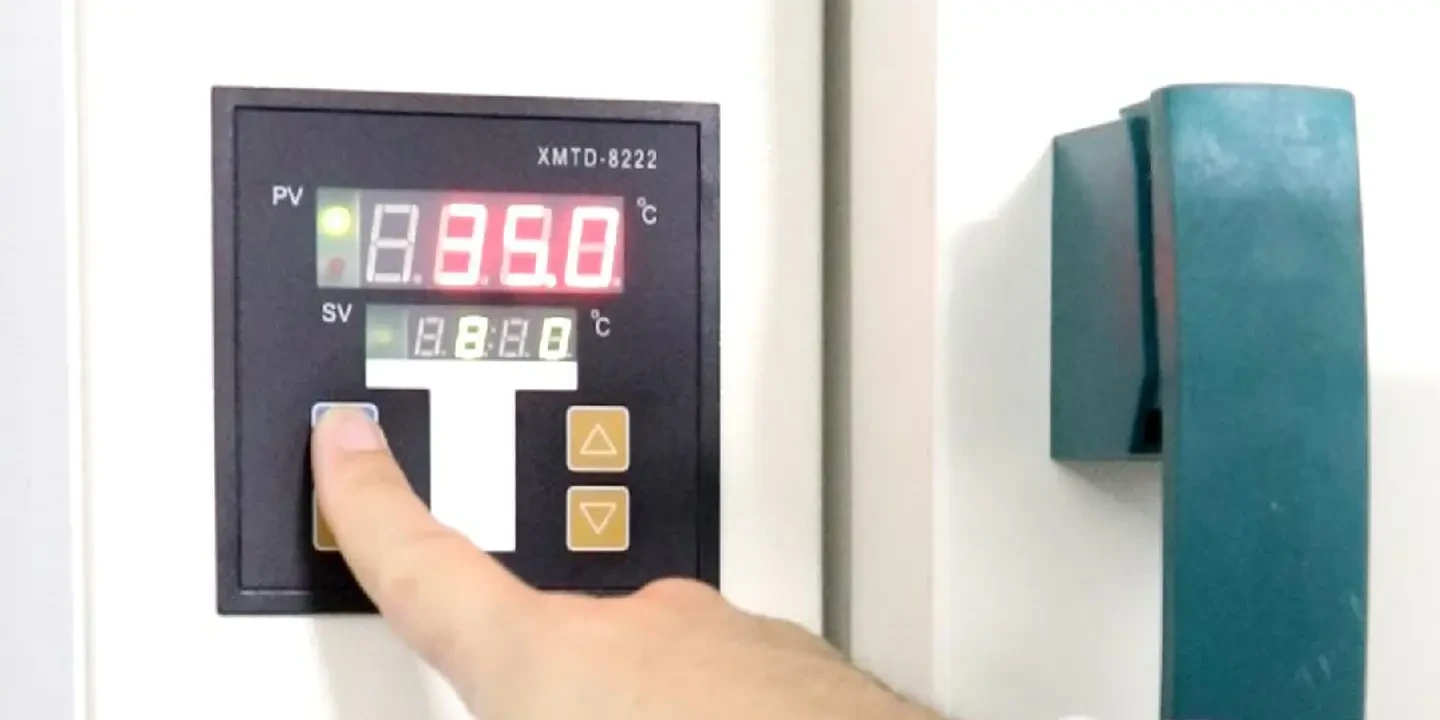
- Maintain raw material cleanliness. For example, sodium citrate solutions used in electroless nickel plating should be heated to approximately 80°C (176°F) for sterilization before use.
- Sterilize water used in the process. Ion exchange resins in water purification systems should be regularly cleaned with formaldehyde or ethanol. Add formaldehyde to rinsing tanks after electroless nickel plating daily, and use ethanol during tank wiping per shift. Use UV sterilization for water rinsing after bright chrome plating.
- Ensure adequate temperature and duration during the drying process to eliminate any residual moisture on parts.
- Ensure that cotton gloves used by inspection and packaging workers are dry and clean, and worn over plastic film gloves.
- Avoid prolonged exposure of electroplated parts to high-temperature and high-humidity environments in workshops. promptly transfer packaged parts to warehouses.
(II) Causes and Solutions During the Logistics and Storage Stage
Mold spots during logistics and storage are primarily caused by damp and high-temperature environments. When relative humidity exceeds 65%, a thin, uniform layer of water forms on metal surfaces due to capillary adsorption. Periodic humidity changes can lead to condensation, forming micro-cells that cause electrochemical corrosion, oxidizing and corroding the electroplated layer.
To prevent mold spots during logistics and storage, control relative humidity through the following measures:
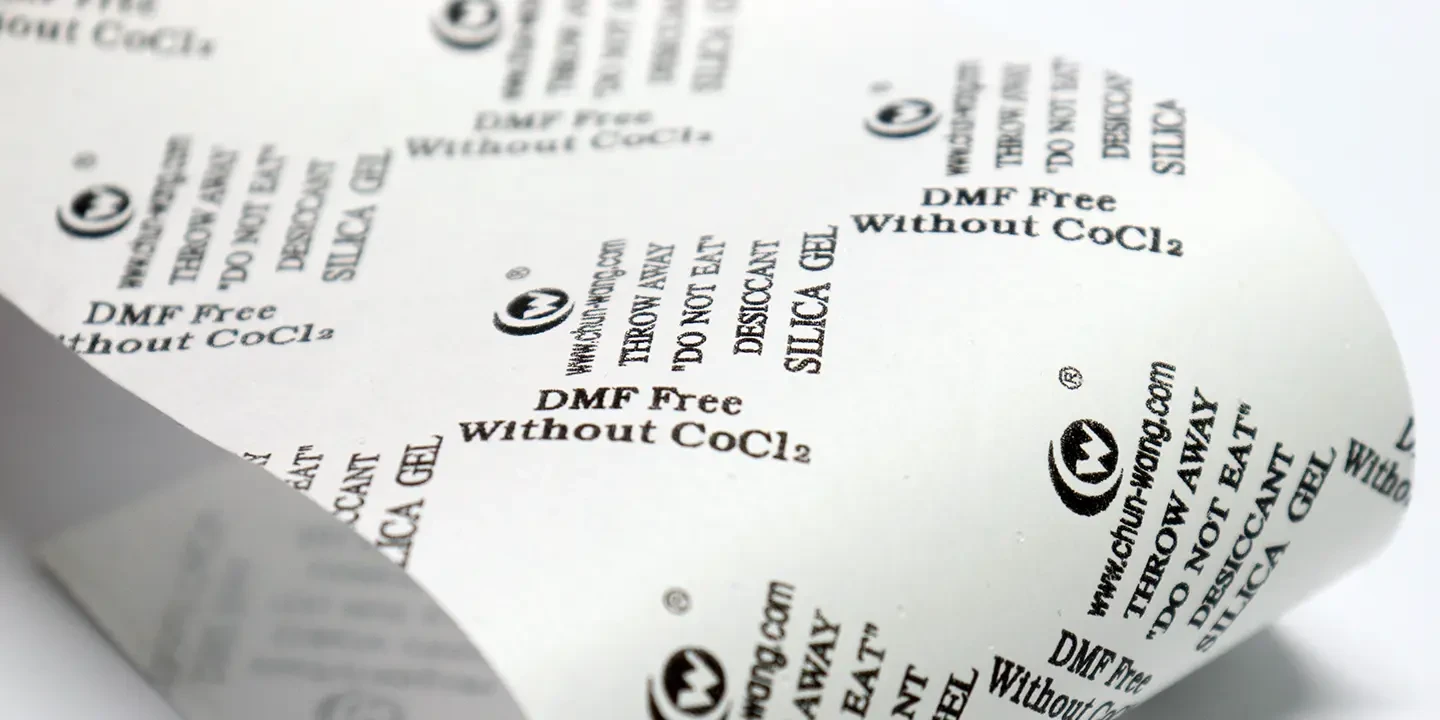
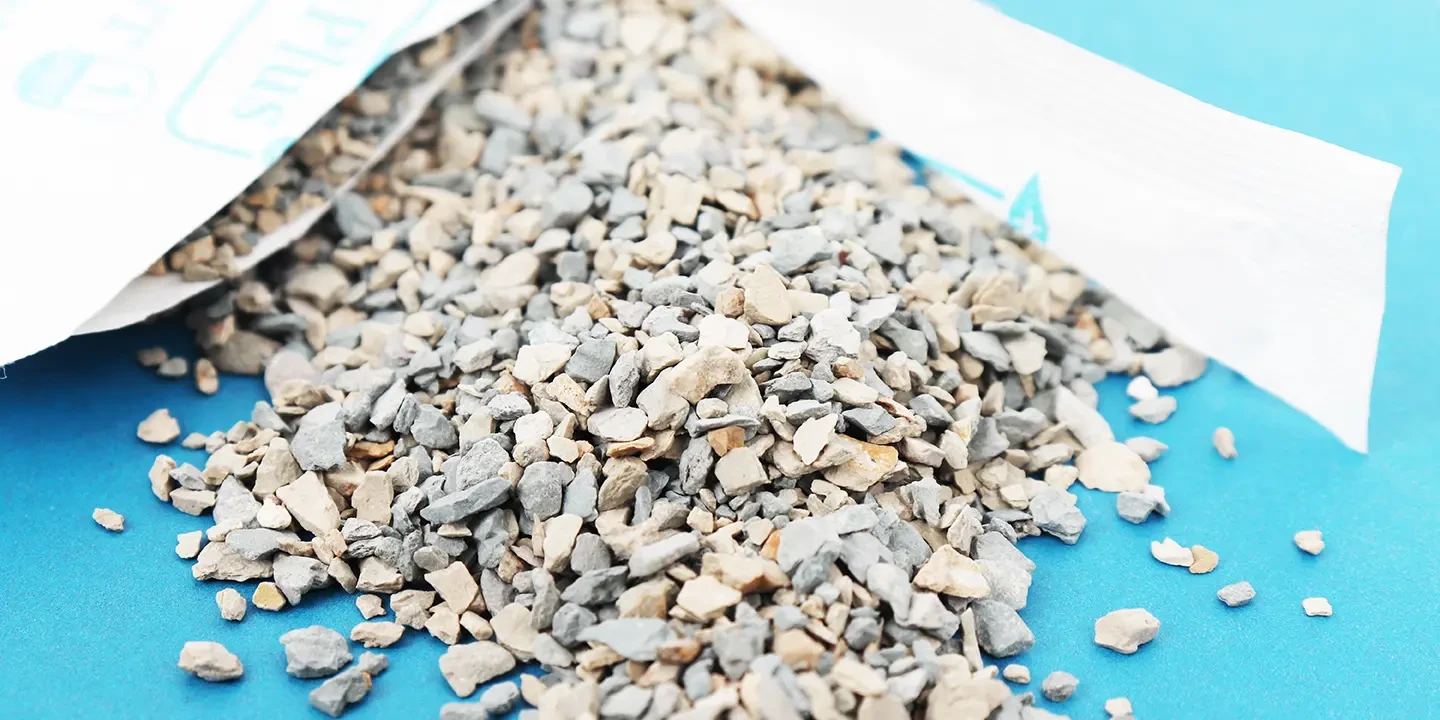
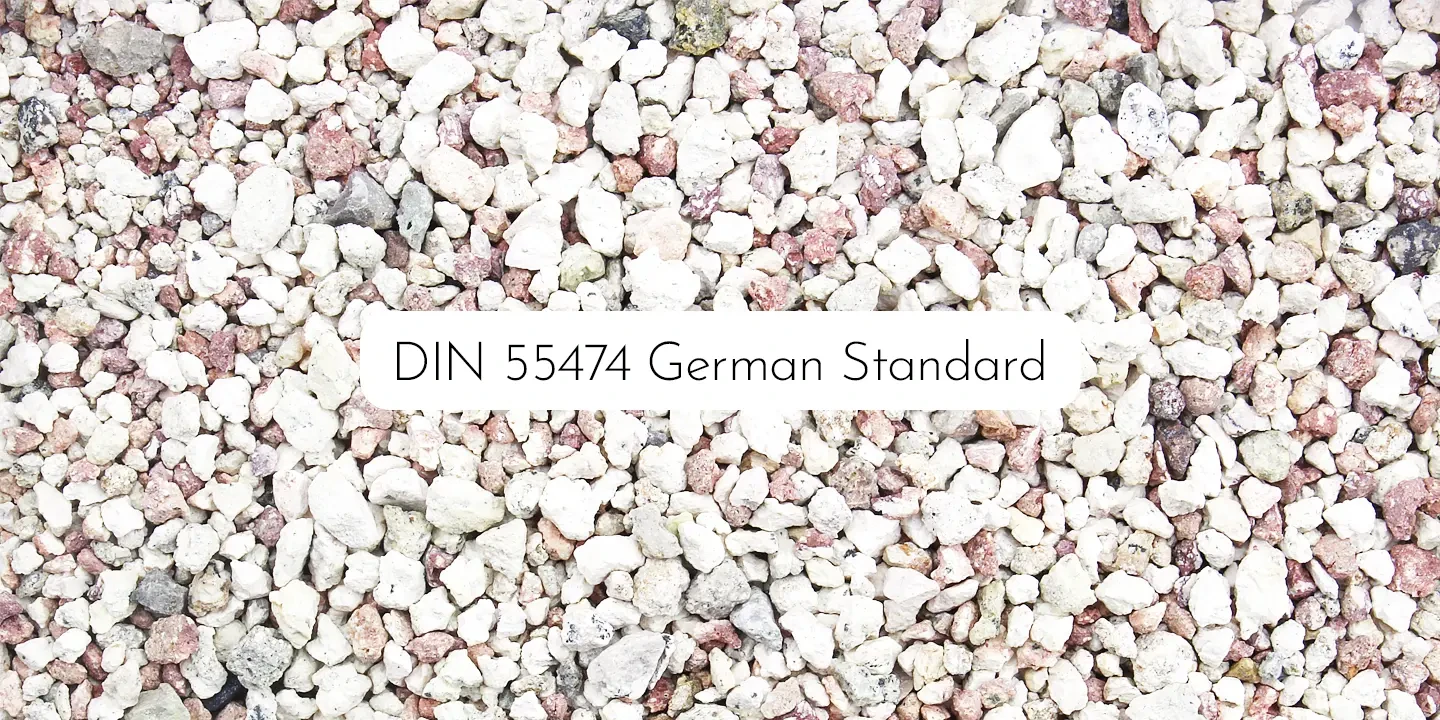
- Use vacuum packaging bags for electroplated parts to isolate them from external environmental influences. Include an appropriate amount of montmorillonite desiccant in the bags.
- During transportation, ensure that vehicles are clean and dry. Hang container desiccants appropriately based on the space size.
- During storage, maintain a dry and well-ventilated environment. Use humidity monitoring instruments and dehumidification equipment if necessary to prevent corrosion caused by high humidity.
In summary, preventing mold spots on electroplated parts requires a systematic approach across the entire chain—production, transportation, and storage. By eliminating the conditions for mold spore introduction and proliferation and strictly controlling environmental humidity, the likelihood of mold spots can be significantly reduced, ensuring the quality of electroplated products.